
Japanese can opener aesthetics transcend mere functionality, embodying a unique blend of artistry and practicality. From meticulously crafted materials to subtly symbolic designs, these tools offer a captivating glimpse into Japanese cultural values. This exploration delves into the historical context, design elements, and contemporary interpretations of this intriguing design philosophy.
This analysis will examine the aesthetic elements of Japanese can openers, comparing them to designs from other cultures, and exploring the evolution of their design over time. We’ll analyze the materials used, the symbolic meanings embedded in the designs, and the balance struck between practicality and aesthetics.
Defining Japanese Can Opener Aesthetics
Japanese can openers, while seemingly mundane kitchen tools, often reflect a deep-seated appreciation for design, craftsmanship, and cultural symbolism. Their aesthetics extend beyond mere functionality, embodying a unique blend of traditional motifs and contemporary sensibilities. This approach to design, often seen in various Japanese products, is rooted in a philosophy that emphasizes harmony, balance, and the natural world.Japanese can opener aesthetics frequently incorporate elements of minimalism, simplicity, and functionality.
The design aims to blend seamlessly into the kitchen environment, not as a jarring addition, but as an integrated part of the overall aesthetic. This integration is achieved through careful consideration of materials, colors, shapes, and patterns.
Materials and Construction
The materials used in Japanese can openers often prioritize natural elements. Stainless steel, with its inherent strength and durability, is frequently employed. However, other materials like bamboo or wood, depending on the specific aesthetic goal, can also be used. These materials are chosen not only for their practical properties but also for their tactile qualities and ability to evoke a sense of natural beauty.
This emphasis on natural materials complements the broader Japanese design philosophy that often emphasizes sustainability and respect for nature.
Colors and Palettes
Japanese can opener color palettes often lean towards muted tones. Subtle shades of grey, beige, or dark wood are common, reflecting a preference for understated elegance. Sometimes, subtle accents of natural colors like greens or browns are used to provide a touch of warmth and a connection to nature. These color choices align with the Japanese aesthetic of harmony and tranquility, promoting a sense of calmness within the kitchen space.
Shapes and Forms
The shapes and forms of Japanese can openers frequently exhibit a sense of elegance and flow. Smooth curves and rounded edges are favored over sharp angles, reflecting a preference for organic and flowing lines. This approach to form, as in other Japanese designs, aims to create an aesthetically pleasing object that feels harmonious with the surrounding environment. This consideration extends beyond visual appeal, impacting the user experience as well.
Patterns and Symbolism
Japanese can openers may feature subtle patterns or motifs inspired by traditional Japanese art. These patterns, like intricate wood grain patterns, or minimalist designs, might incorporate symbolic imagery, such as flowing water or stylized plants. These patterns are often subtle, allowing the functional aspect of the can opener to remain the focal point, while simultaneously subtly reflecting the rich cultural heritage of Japan.
These patterns, though small, contribute to the overall visual harmony of the kitchen space.
Visual Representation of Japanese Can Opener Aesthetics

Japanese can openers, far from being mere functional tools, often embody a profound appreciation for design and craftsmanship. Their aesthetics reflect a deep-seated cultural ethos, prioritizing simplicity, functionality, and the beauty of the inherent materials. This focus on the interplay of form and function is a hallmark of Japanese design philosophy, evident in everything from meticulously crafted tea ceremonies to the understated elegance of a well-designed tool.Japanese can openers, unlike their Western counterparts, often showcase a meticulous attention to detail and material selection.
This meticulousness extends beyond the immediate visual, delving into the symbolism and cultural significance inherent in the design choices. This nuanced approach to design is a powerful testament to the enduring values of Japanese aesthetics.
Table of Japanese Can Openers
Japanese can openers demonstrate a spectrum of aesthetic approaches, each reflecting specific cultural values and design philosophies. The table below showcases a selection of can openers, highlighting their unique characteristics and cultural significance.
| Image | Description | Material | Cultural Significance |
|---|---|---|---|
| A can opener with a minimalist, brushed-steel handle and a subtly curved blade. | This model epitomizes the Japanese aesthetic of “wabi-sabi,” embracing the beauty of imperfection and simplicity. The muted tones and smooth lines create a sense of understated elegance. | Brushed stainless steel | Simplicity and functionality are key; the inherent beauty of the material is highlighted without embellishment. |
| A can opener crafted from polished, dark wood with a finely detailed metal blade. | This design exemplifies the Japanese appreciation for natural materials and meticulous craftsmanship. The warm tones of the wood complement the precise metal work, creating a sense of harmony. | Dark wood, polished metal | Connection to nature, reverence for traditional methods, and appreciation for the beauty of natural materials. |
| A can opener featuring a unique, geometric handle design in a lacquered finish. | This can opener displays a bold, modern interpretation of Japanese design principles. The intricate geometry and lacquered finish evoke a sense of sophisticated artistry. | Lacquered wood, high-carbon steel | Emphasizes both tradition and innovation; the lacquered finish highlights the meticulous work involved. |
| A can opener made from recycled aluminum with a subtly embossed pattern reminiscent of traditional Japanese motifs. | This example shows a growing trend of sustainability in Japanese design, incorporating recycled materials with subtle, symbolic elements. The pattern suggests a connection to nature and tradition. | Recycled aluminum, embossed pattern | Eco-consciousness, preservation of resources, and the subtle incorporation of cultural symbolism. |
Comparison with Other Cultures
Comparing Japanese can opener aesthetics with those of other cultures reveals interesting contrasts. Western can openers often prioritize strength and durability over subtlety and aesthetic appeal. This difference reflects varying cultural priorities and approaches to design.
| Feature | Japanese Aesthetics | Other Cultures (e.g., Western) |
|---|---|---|
| Material Selection | Emphasis on natural materials (wood, bamboo) and recycled materials, often with a focus on the inherent beauty of the material. | Emphasis on strength and durability, often using readily available and strong materials like steel. |
| Design Principles | Simplicity, functionality, and the beauty of imperfection (wabi-sabi). | Emphasis on elaborate designs, ornamentation, and sometimes ostentation. |
| Cultural Significance | Incorporation of traditional motifs, symbolism, and mindful design. | Less emphasis on deep cultural symbolism, focusing on the practicality of the tool. |
Evocative Images and Descriptions
A collection of evocative images can effectively capture the essence of Japanese can opener aesthetics.
- A close-up of a can opener’s handle, crafted from polished bamboo, revealing the subtle grain and natural texture. The smooth, rounded edges of the handle create a sense of comfort and effortless functionality. The image evokes a sense of quiet contemplation and appreciation for the inherent beauty of natural materials.
- An image of a can opener nestled amongst a collection of traditional Japanese tools, showcasing the interplay of functionality and artistry. The image emphasizes the integration of the can opener into the broader cultural context, highlighting its role as both a practical tool and a reflection of Japanese aesthetic sensibilities.
- A photograph of a modern can opener with a sleek, minimalist design, featuring a blade crafted from high-carbon steel, reflecting the Japanese focus on precision and the inherent beauty of craftsmanship. The image emphasizes the interplay of form and function, with the visual appeal complementing the utility of the tool.
Materials and Craftsmanship in Japanese Can Openers
Japanese can openers, renowned for their understated elegance and meticulous design, are more than just utilitarian tools. Their construction often reflects a deep-seated appreciation for quality materials and traditional craftsmanship, contributing significantly to their overall aesthetic appeal. This approach transcends mere functionality, embodying a philosophy of enduring value and meticulous attention to detail.The selection of materials and the precision of the craftsmanship employed in creating these tools are not merely incidental; they are integral to the unique character and aesthetic of Japanese can openers.
This dedication to quality extends from the raw materials to the final polish, reflecting a commitment to producing objects that are both beautiful and enduring.
Common Materials
The materials used in Japanese can openers frequently feature a blend of practicality and aesthetic appeal. Steel, often a high-carbon variety, is a prevalent choice for its strength and ability to hold a sharp edge. The specific steel grade employed can influence the tool’s feel and durability. Other materials, like brass or copper, might be incorporated for decorative accents or specific functionalities.
These choices contribute to the overall visual identity and the tactile experience of the tool. The selection of materials is often guided by considerations of both function and aesthetics.
Craftsmanship Techniques
The craftsmanship behind Japanese can openers often involves intricate techniques, reflecting a long history of skilled metalworking. Forging, a process that shapes metal by hammering, can create unique textures and patterns on the tool’s surface. Hand-finishing techniques, such as polishing and burnishing, further enhance the tool’s aesthetic appeal. These traditional methods ensure a high level of precision and contribute to the exceptional quality of the can opener.
The precision achieved through these techniques is often evident in the tool’s smooth, seamless transitions.
Aesthetic Contributions
The materials and craftsmanship contribute significantly to the can opener’s overall aesthetic. The carefully selected steel, with its inherent strength and resilience, suggests a durability that complements the elegance of the design. The application of traditional techniques, like hand-finishing, enhances the tactile experience, giving the can opener a sense of refined weight and a pleasingly smooth surface. The subtle nuances in the metal’s finish, like patina or slight variations in polish, contribute to the overall aesthetic, creating an aura of timeless quality.
These features make the can opener a lasting object, not just a functional tool.
Unique Textures and Finishes
Japanese can openers often exhibit a range of unique textures and finishes, reflecting the craftsmanship and artistry involved in their creation. The polished surfaces of some can openers present a sleek, modern aesthetic, while others may feature subtle patterns or textures, created through the forging process. The specific finish and texture often play a critical role in the overall visual identity of the tool.
These distinctive features add a unique touch to the can opener, reflecting the dedication to meticulous detail in Japanese craftsmanship. For instance, a brushed finish might evoke a sense of understated sophistication, while a highly polished surface might suggest a more refined, contemporary aesthetic.
Symbolism and Imagery in Design
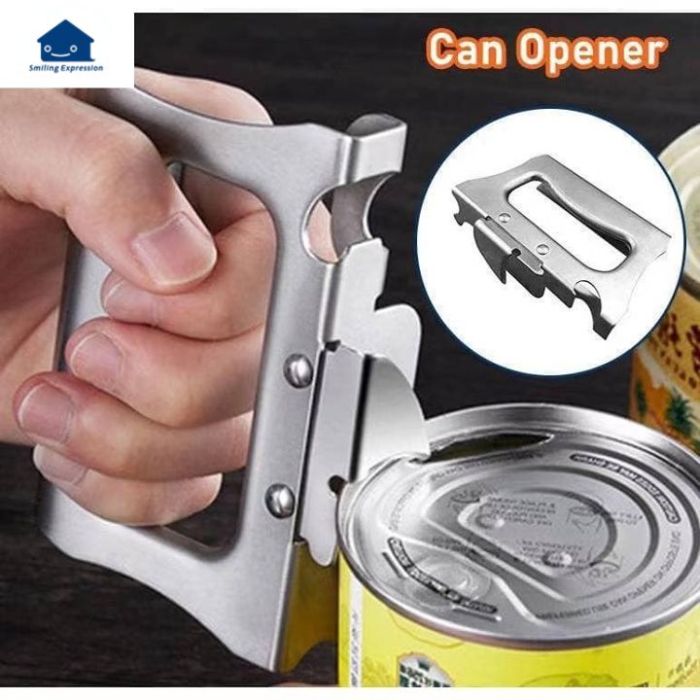
Beyond mere functionality, Japanese can openers often embody cultural values and aesthetic principles. The meticulous attention to detail and the incorporation of symbolic imagery reflect a deep-seated respect for tradition and craftsmanship. This extends beyond the utilitarian purpose, imbuing the simple act of opening a can with a richer, more meaningful experience. The design choices speak volumes about the values and beliefs of the creators and users.Japanese design aesthetics frequently leverage symbolism and imagery to evoke specific emotions and associations.
This is particularly evident in the meticulous crafting of can openers, which often transcend their practical function. The selection of materials, patterns, and colors, in conjunction with the overall form, collectively contribute to the aesthetic appeal and emotional resonance of these objects.
Common Symbolic Elements
Japanese design often employs subtle yet powerful symbolism. These symbols, often deeply rooted in history and philosophy, can be found in various aspects of Japanese can opener design, including the shape, materials, and decorative elements. These symbols transcend the practical function and add layers of meaning to the objects. For example, the use of specific wood types, metal finishes, or decorative motifs can convey different symbolic meanings.
- Natural Forms: The incorporation of natural forms, like bamboo, flowing water, or stylized representations of mountains and forests, frequently appears in Japanese design. These motifs can represent harmony with nature, tranquility, and the enduring beauty of the natural world. The smooth curves and organic shapes of a can opener incorporating these motifs reflect a desire for harmony and natural balance.
- Japanese Calligraphy and Motifs: The delicate brushstrokes of traditional Japanese calligraphy or subtle motifs, such as cherry blossoms or stylized waves, often add a touch of elegance and cultural heritage. Such elements subtly connect the can opener to a rich artistic tradition, suggesting a deep appreciation for aesthetic beauty and cultural heritage.
- Color Palette: The choice of colors in a Japanese can opener often plays a significant role in conveying specific emotions and associations. For example, the use of deep reds, earthy browns, or calming blues can evoke feelings of tranquility, strength, or sophistication, respectively, enhancing the overall aesthetic appeal.
Comparison with Other Functional Objects
Japanese can openers, while sharing a functional purpose with their Western counterparts, often differ significantly in their aesthetic and symbolic expression. Western designs frequently prioritize simplicity and efficiency, whereas Japanese designs emphasize aesthetic nuance and cultural expression. The inclusion of symbolic imagery in Japanese can openers sets them apart from purely functional objects, creating a unique cultural identity.
- Functionality vs. Aesthetics: Western can openers, typically emphasizing ease of use and durability, often prioritize functionality over symbolic expression. In contrast, Japanese can openers, often designed with attention to craftsmanship and cultural elements, create a balance between functionality and artistic expression.
- Cultural Context: The symbolism in Japanese can openers is deeply rooted in Japanese culture and values. This is unlike Western functional objects, which may not carry such overt cultural significance. The symbolism within a Japanese can opener becomes a part of the cultural narrative, reflecting a specific cultural perspective and aesthetic sensibility.
Contribution to Aesthetic Appeal
The incorporation of symbolism and imagery significantly enhances the aesthetic appeal of Japanese can openers. The combination of carefully chosen materials, decorative elements, and subtle symbolism elevates the object from a mere tool to an artistic expression. The cultural context inherent in the design elements creates a deeper connection between the object and its user, enhancing its overall appeal.
Japanese Can Opener Design Trends
Japanese can openers, a seemingly simple tool, have a rich design history reflecting cultural values and technological advancements. From minimalist elegance to innovative functionality, the evolution mirrors Japan’s broader design ethos. The meticulous attention to detail, the emphasis on practicality, and the integration of aesthetic considerations have shaped the enduring appeal of these tools.Japanese can openers, far from being mere utilitarian objects, embody a commitment to craftsmanship and thoughtful design.
This is reflected in their consistent evolution, adapting to changing materials, techniques, and cultural trends. The aesthetic and functional elements often intersect, resulting in tools that are both beautiful and efficient.
Timeline of Design Trends
The evolution of Japanese can opener designs reveals a fascinating interplay of functional needs and aesthetic sensibilities. Early designs focused on practicality, with a gradual shift towards incorporating more sophisticated materials and designs.
- Pre-War Era (Pre-1945): Can openers were largely functional, using primarily metal. Design was less ornate, emphasizing simplicity and durability. Production methods were likely more manual, with variations in shape and size depending on the manufacturer.
- Post-War Era (1945-1970): The post-war period saw an emphasis on streamlining production and affordability. Materials like stamped steel became more prevalent, and designs leaned towards efficient, yet simple forms. Innovation was still present, though perhaps less pronounced compared to later periods.
- 1970s-1990s: Technological advancements in metalworking and manufacturing led to increased precision and a wider range of design options. This era saw a move towards ergonomic designs, incorporating handles and mechanisms for easier use. Additionally, the influence of international design trends started to be incorporated.
- 2000s-Present: The rise of sustainable design and a greater emphasis on visual appeal have impacted can opener design. Manufacturers are exploring new materials, such as bamboo or recycled plastics, and are incorporating more intricate aesthetic details, often with a focus on minimalism and functionality. Digital marketing and social media have also influenced the presentation of these tools, with online retailers showcasing can openers as design objects rather than purely functional tools.
Evolution of Materials, Shapes, and Styles
The choice of materials and the resulting shapes and styles have significantly influenced the perceived value and desirability of Japanese can openers. Materials have evolved from simple metal to more complex and environmentally conscious options.
- Early Materials: Early Japanese can openers relied heavily on metals like steel and aluminum, primarily due to their durability and affordability. The shapes tended to be straightforward, with an emphasis on the opening mechanism.
- Modern Materials: Modern can openers increasingly feature a variety of materials, including stainless steel, brushed aluminum, and even wood or composite materials. These choices reflect an awareness of sustainability and an aspiration to create aesthetically pleasing tools. The shapes have become more varied, incorporating ergonomic curves and refined aesthetic elements.
- Design Styles: Early designs emphasized functionality, while contemporary designs often incorporate elements of minimalism and modern design aesthetics. The shape of the handle, the curvature of the blade, and the overall form of the tool can evoke specific design movements.
Impact of Technological Advancements
Technological advancements have driven innovation in Japanese can opener design, allowing for more precise manufacturing and creative design options.
- Improved Manufacturing Techniques: Advancements in metalworking techniques have led to more precise and durable can openers. This has enabled the creation of intricate designs while maintaining robust functionality.
- New Materials and Processes: Technological progress has introduced new materials and processes for producing can openers. This allows for a greater variety of colors, textures, and finishes.
- Automation and Efficiency: Automation in manufacturing processes has increased efficiency and reduced costs, allowing for a greater range of designs and customization options to be offered.
Influence of Popular Culture and Trends
Popular culture and design trends have significantly influenced Japanese can opener designs.
- Minimalism and Aesthetics: The emphasis on minimalist aesthetics in contemporary design has influenced the design of Japanese can openers, leading to sleek forms and clean lines. The can opener is seen not just as a tool but as an object that enhances the surrounding environment.
- Sustainability Concerns: Increasing awareness of environmental issues has led to an exploration of sustainable materials in can opener designs. Recycled materials and eco-friendly production processes are becoming more common. This reflects a broader societal shift towards sustainable consumption.
- Influence of Designers: The work of prominent Japanese designers often incorporates their unique perspectives into can opener designs, reflecting the broader trends in Japanese design and culture.
Practicality and Aesthetics
Japanese can openers, beyond their aesthetic appeal, are meticulously crafted to seamlessly integrate functionality and beauty. This balance isn’t accidental; it reflects a deep-seated cultural appreciation for well-designed tools that enhance the daily experience. The design philosophy prioritizes user-friendliness, emphasizing both the ease of opening cans and the visual satisfaction derived from the process.The design process often involves rigorous testing and iterative refinement to ensure optimal performance.
This dedication to practicality isn’t just about opening cans; it’s about crafting a tool that becomes an extension of the user’s hand, minimizing effort while maximizing satisfaction. This commitment to both form and function distinguishes Japanese can openers from their counterparts in other cultures.
Balancing Functionality and Beauty
Japanese can openers demonstrate a sophisticated understanding of ergonomic principles, often incorporating curved handles or textured surfaces that enhance grip and reduce hand fatigue. This meticulous attention to detail ensures that the opener is not only aesthetically pleasing but also incredibly practical. The seamless integration of form and function is a defining characteristic of Japanese design, evident in countless products.
Specific Examples
Several Japanese can openers embody this perfect balance. The classic, minimalist design of a particular brand often showcases a sleek, almost sculptural form, while maintaining a precise and efficient cutting mechanism. Another example, a more contemporary design, features a multi-functional handle that can be used for other household tasks, highlighting the concept of utility beyond just opening cans. These models emphasize the potential for everyday tools to be both functional and beautiful.
Comparative Analysis
| Feature | Japanese Can Openers | Other Countries (e.g., Western) |
|---|---|---|
| Ergonomics | Often feature curved handles, textured surfaces, and optimized grip for comfort and reduced hand fatigue. | May prioritize a more straightforward, less ergonomically-focused design, potentially sacrificing user comfort for a simpler aesthetic. |
| Material Selection | Frequently utilize high-quality metals like stainless steel, known for durability and a pleasing aesthetic. | May utilize a wider range of materials, including less durable or aesthetically less appealing options, prioritizing cost over other factors. |
| Design Simplicity | Often prioritize clean lines and minimal ornamentation, focusing on functionality as the primary aesthetic. | May feature more intricate or elaborate designs, potentially sacrificing simplicity and focusing on decorative elements. |
| Durability | Known for exceptional durability, often exceeding expectations due to meticulous craftsmanship. | May not always emphasize the same level of long-term durability due to cost-saving measures in manufacturing. |
This table highlights the contrasting approaches to practicality in Japanese can openers compared to those from other countries. The emphasis on ergonomics, material selection, and design simplicity showcases a Japanese approach prioritizing the user experience and long-term value.
Japanese Can Openers in Contemporary Design
Japanese can openers, seemingly a simple kitchen tool, offer a fascinating lens through which to examine the enduring influence of Japanese design principles on contemporary aesthetics. Their minimalist forms, meticulous craftsmanship, and focus on functionality and beauty have resonated far beyond the confines of the culinary space. This influence is evident in a growing number of modern design trends, prompting exploration of the potential for these principles in broader product categories.Japanese design philosophy, often centered on a concept of “侘び寂び” (wabi-sabi), emphasizing the beauty of imperfection and the appreciation of natural materials, has subtly permeated contemporary design.
This manifests in a preference for clean lines, muted palettes, and a deep respect for the inherent qualities of materials. Can openers, with their streamlined designs and focus on efficiency, embody this philosophy, and are now inspiring designers to re-evaluate the relationship between form and function.
Influence on Modern Design Trends
The sleek, minimalist aesthetic of Japanese can openers has become increasingly popular in contemporary design. This emphasis on simplicity and functionality, often coupled with high-quality materials, extends beyond the kitchen. In furniture design, this is evident in the use of natural materials like wood and bamboo, in furniture pieces that prioritize clean lines and minimal ornamentation. Similar principles are found in electronics, with a focus on understated aesthetics and ergonomic functionality.
The enduring appeal of Japanese can openers lies in their ability to blend practicality with a sophisticated aesthetic.
Examples of Modern Designs Inspired by Japanese Can Openers
Several contemporary designs draw inspiration from the meticulous craftsmanship and aesthetic sensibilities of Japanese can openers. For instance, some high-end kitchen appliances, such as blenders and food processors, exhibit similar clean lines and a focus on user-friendliness. Similarly, portable electronics, such as headphones and smartphones, often incorporate the principle of “less is more” in their designs, with a focus on minimalist forms.
This can be seen in the understated elegance of certain Scandinavian-inspired furniture and lighting designs. The essence of the Japanese can opener, with its emphasis on functionality and aesthetic refinement, translates seamlessly to various product categories.
Potential for Japanese Can Opener Design Principles in Other Product Categories
The core principles of Japanese can opener design—a seamless blend of functionality and aesthetic appeal, a focus on high-quality materials, and an appreciation for craftsmanship—have the potential to inspire designers across numerous product categories. From consumer electronics to automotive design, the concept of “less is more” can lead to products that are both efficient and aesthetically pleasing. The use of natural materials and sustainable manufacturing processes, a key element of Japanese design, could significantly impact the environmental footprint of various products.
Applications of Japanese Can Opener Design Principles
| Product Category | Design Principle | Example |
|---|---|---|
| Kitchen Appliances | Streamlined design, high-quality materials, ergonomic functionality | Blenders and food processors with clean lines and user-friendly controls |
| Consumer Electronics | Minimalist design, emphasis on functionality, understated elegance | Headphones and smartphones with a focus on form and function |
| Furniture | Natural materials, clean lines, minimal ornamentation | Furniture pieces crafted from wood and bamboo, emphasizing simple yet elegant forms |
| Automotive Design | Aerodynamic design, sleek exterior, intuitive controls | Cars with clean lines and an emphasis on efficiency and comfort |
Cultural Significance of Japanese Can Openers
Beyond their functional role, Japanese can openers hold a unique cultural significance, deeply intertwined with the nation’s meticulous craftsmanship, aesthetic sensibilities, and societal values. Their design often reflects a commitment to practicality and beauty, embodying the Japanese philosophy ofshibui*, which emphasizes understated elegance and refined simplicity. This extends beyond mere practicality, weaving into everyday routines and social interactions.Japanese can openers, like many everyday objects in Japanese culture, are designed to be more than just tools.
They are crafted to enhance the experience of preparing food, reflecting the appreciation for the beauty in the process and the final presentation. This focus on the sensory experience is deeply embedded in Japanese culture, influencing everything from the way food is prepared to the aesthetic appeal of the kitchen itself.
Everyday Life Integration
The integration of Japanese can openers into everyday life is profound. Their presence in the home is not simply about function, but also about creating a harmonious and aesthetically pleasing environment. This extends beyond the kitchen, as the can opener’s aesthetic can influence the overall design philosophy of the space. For example, a minimalist can opener might be paired with other sleek kitchenware, while a more ornate design might complement a more traditional Japanese-style kitchen.
Social Implications and Usage
Japanese can openers are subtly integrated into various social settings. Their presence during meal preparation can be a silent symbol of shared effort and collective enjoyment of food, particularly in family gatherings. The smooth, effortless action of a well-designed can opener can contribute to a relaxed and harmonious atmosphere, especially in situations where multiple individuals are preparing a meal together.
This subtle emphasis on shared effort and enjoyment is a key component of Japanese social etiquette.
Reflection of Cultural Values
The aesthetic of Japanese can openers embodies core Japanese cultural values. The emphasis on simplicity and understated elegance, reflected in the design choices, resonates with theshibui* aesthetic. The attention to detail and meticulous craftsmanship are a direct reflection of Japanese cultural emphasis on quality and precision. This focus on quality extends beyond the can opener itself, reflecting the general Japanese approach to all aspects of life.
Consumer Perception Across Cultures
Japanese can openers are viewed differently across cultures. In Japan, they are often appreciated for their blend of practicality and aesthetic appeal, reflecting the deep-seated cultural appreciation for beauty in everyday objects. In other cultures, the aesthetic elements of Japanese can openers might be appreciated as a unique design feature, while the functional aspects might be seen as simply a tool.
However, the meticulous craftsmanship and attention to detail inherent in Japanese can openers are generally recognized and valued globally.
Japanese Can Opener Design Elements in Other Cultures

Japanese can opener design, renowned for its minimalist aesthetic and meticulous craftsmanship, has begun to influence design trends globally. This influence transcends the realm of functional tools, extending into the realm of broader cultural aesthetics and design principles. The seamless integration of form and function, often seen in Japanese can openers, has sparked interest and adoption of these elements in various international contexts.The adaptation of Japanese can opener design principles in other cultures often involves reinterpreting their core elements.
This reinterpretation may involve incorporating the minimalist design philosophy into existing styles, or even creating new hybrid aesthetics that blend traditional Japanese design with local or contemporary influences. The reception of these elements varies significantly, dependent on the cultural context and existing design traditions. This adoption is not always a straightforward assimilation, but a complex dialogue between different design philosophies.
Cultural Interpretations of Japanese Can Opener Aesthetics
The adoption of Japanese can opener design elements in other cultures varies widely. Aesthetics are often adapted and reinterpreted to fit local preferences and design traditions. The core values of Japanese design, such as functionality, minimalism, and craftsmanship, are often respected but adjusted to resonate with different cultural contexts.
Examples of Adaptation and Reinterpretation
In some regions, Japanese minimalism is interpreted as a means to create sleek and modern designs, often combined with other stylistic elements. For example, Scandinavian design, known for its clean lines and focus on practicality, often incorporates elements of Japanese minimalism in contemporary kitchenware. Conversely, in South American countries, Japanese design elements are sometimes combined with vibrant colors and intricate patterns to create a unique fusion aesthetic, demonstrating a flexible approach to design integration.
These examples highlight the versatility of Japanese design principles when applied in diverse cultural contexts.
Comparison of Reception Across Cultures
The reception of Japanese can opener design varies significantly. In some cultures, the minimalist aesthetic is highly valued, leading to widespread adoption. In other contexts, the perceived lack of embellishment may be viewed as overly simple or even austere. The cultural emphasis on visual aesthetics and the prevalence of decorative elements in certain cultures can affect the reception and adaptation of Japanese can opener design.
Cultural Interpretations Table
| Culture | Interpretation of Japanese Aesthetics | Example of Adaptation | Reception |
|---|---|---|---|
| Scandinavian | Emphasis on minimalism and practicality, clean lines. | Modern kitchenware incorporating Japanese can opener design principles for sleek functionality. | Positive; highly valued for functionality and aesthetic appeal. |
| South American | Fusion of minimalist principles with vibrant colors and intricate patterns. | Can openers incorporating Japanese minimalism with local motifs and color palettes. | Positive; seen as a creative and unique fusion of styles. |
| South East Asian | Integration of Japanese minimalism with existing cultural patterns and symbols. | Can openers incorporating traditional motifs from South East Asian culture, with Japanese-inspired clean lines. | Mixed; positive reception for unique designs but may not always be widely adopted. |
Potential Design Innovations
Japanese can openers, renowned for their elegant minimalism and intricate craftsmanship, are ripe for innovative designs that bridge practicality with aesthetic appeal. These new iterations should not only streamline the can-opening process but also reflect contemporary design trends, embracing sustainability and a refined appreciation for materials. Furthermore, these innovations should acknowledge the cultural significance of the can opener as a functional yet symbolic object.
Innovative Can Opener Designs
Contemporary trends favor designs that prioritize sustainability and reduce waste. New can openers could incorporate features like detachable, replaceable blades, enabling users to swap out worn or damaged components. This promotes longevity and reduces the need for frequent replacements, aligning with the growing environmental consciousness. Recyclable materials like bamboo, reclaimed wood, or repurposed metals could form the core of these new designs, contributing to a circular economy.
Material Exploration
The choice of materials will be critical in these innovative designs. Beyond traditional metals like stainless steel, new can openers might utilize bio-based polymers, reinforced with recycled materials. This would address the environmental impact of traditional manufacturing processes while maintaining the strength and durability needed for efficient operation. Furthermore, the use of translucent polymers could reveal the grain of the wood or the recycled metal within, creating a visual narrative of sustainability and craft.
Form and Function
Beyond materials, the form of the can opener itself can be reimagined. A modular design, with interchangeable components, allows users to customize the opener for different can sizes and types. Integrated ergonomic handles, sculpted to conform to the hand, can enhance the user experience and reduce strain during use. Smart features like LED indicators, signaling blade sharpness, or automated blade sharpening, could also be integrated, adding a layer of sophistication.
Example Design: The “Eco-Flow” Can Opener
Imagine the “Eco-Flow” can opener, constructed from recycled aluminum and sustainably harvested bamboo. Its blade is detachable and replaceable, and the handle is ergonomically designed with a textured surface for improved grip. The handle incorporates a small LED indicator that changes color to signal the need for blade sharpening.
Table: Advantages and Disadvantages of Innovative Designs
| Feature | Advantages | Disadvantages |
|---|---|---|
| Eco-Flow Can Opener (Recycled Aluminum/Bamboo) | Reduced environmental impact, customizable blade, improved ergonomics, visual appeal | Potential for higher initial cost, limited availability of certain materials, possible complexity in maintenance |
| Modular Can Opener (Interchangeable components) | Adaptability to various can sizes, increased lifespan through component replacement | Potential for increased complexity, potential for storage issues of multiple components |
Comparison with Other Functional Tools
Japanese design, renowned for its elegance and functionality, extends beyond the realm of aesthetics to encompass practical tools. Examining Japanese can openers alongside other functional tools reveals a consistent emphasis on minimalism, efficiency, and a deep respect for the materials used. This comparison highlights the unique approach to design and the cultural context that shapes these objects.The design principles underlying Japanese can openers, like those found in other Japanese functional tools, often prioritize intuitive use and enduring quality.
The focus on natural materials, thoughtful ergonomics, and a subtle beauty contrasts with the sometimes more overtly decorative or less user-centric approaches found in other cultures’ functional design.
Aesthetic and Functional Comparison
Japanese design principles, deeply rooted in the philosophy ofwabi-sabi*, often manifest in functional tools. This philosophy embraces imperfection, simplicity, and the beauty of natural materials. This is reflected in the aesthetic choices and design considerations of Japanese can openers. A comparison with other Japanese tools, such as folding fans, tea ceremony implements, or even traditional carpentry tools, demonstrates a shared focus on meticulous craftsmanship, the use of high-quality materials, and the inherent beauty of functionality.
Table: Comparing Japanese and Western Can Openers
| Feature | Japanese Can Opener | Western Can Opener |
|---|---|---|
| Aesthetic | Minimalist design, often featuring natural materials like bamboo or wood, emphasizing smooth lines and subtle detailing. | Wider range of styles, often with more decorative elements or bolder shapes. Materials can include metal or plastic. |
| Functionality | Intuitive design for easy and efficient use. Emphasis on ergonomic principles for reduced hand fatigue. | Functionality is typically present, but the ergonomic considerations may not always be as prominent. |
| Materials | Often crafted from high-quality, sustainable materials. | Material choices can be influenced by cost considerations. |
| Craftsmanship | High level of precision and attention to detail. | Craftsmanship can vary significantly depending on the specific design and manufacturer. |
| Cultural Significance | Reflects Japanese appreciation for simplicity, quality, and the natural world. | May reflect a different cultural emphasis, such as a focus on utility and efficiency. |
Cultural Influence
The cultural significance of a Japanese can opener extends beyond its practical function. It reflects a deeper appreciation for the harmony between design, materials, and the user experience. This contrasts with Western approaches, which may prioritize different values in the design and production of tools, often focusing on mass production and standardized designs.
Design Principles
The design principles in Japanese can openers, like those in other functional tools, often emphasize intuitive use and enduring quality. The design choices reflect a cultural preference for simplicity and the beauty of natural materials, while Western tools might prioritize different aspects, such as overt ornamentation or novelty. For instance, the design of a Japanese tea ceremony set emphasizes a profound respect for the materials and process, reflecting a cultural value that transcends mere practicality.
Ending Remarks

Ultimately, the Japanese can opener aesthetic serves as a compelling case study in design philosophy. It highlights the intricate interplay between function and form, culture and innovation. The enduring appeal of these tools lies in their ability to seamlessly integrate beauty into everyday practicality, a testament to the enduring power of Japanese design principles.
